
Condition · Acne · June 2026
Best LED face mask for acne in Australia, 2026.
Three LED masks. The blue-light pick at 415nm. The flexible-silicone density pick. The evidence-led pick. Curated, not spammy, this list is three deep on purpose.
The verdict
For acne-prone skin, the answer is Dr Dennis Gross SpectraLite FaceWare Pro at AU$650 from MECCA, the only LED mask in the top three of the 2026 Index with a blue-light spec at 415nm. Blue light at 415nm is the wavelength studied for C. acnes activity in the published photobiomodulation literature. If you want broader full-face coverage and the red 633nm + NIR 830nm spec for the inflammatory-redness axis, CurrentBody Series 2 at AU$595 is the second pick. Omnilux Contour Face at AU$595 rounds out the three for evidence depth. Consult your AHPRA-registered practitioner before adding any device to an active acne regimen.
The three picks.
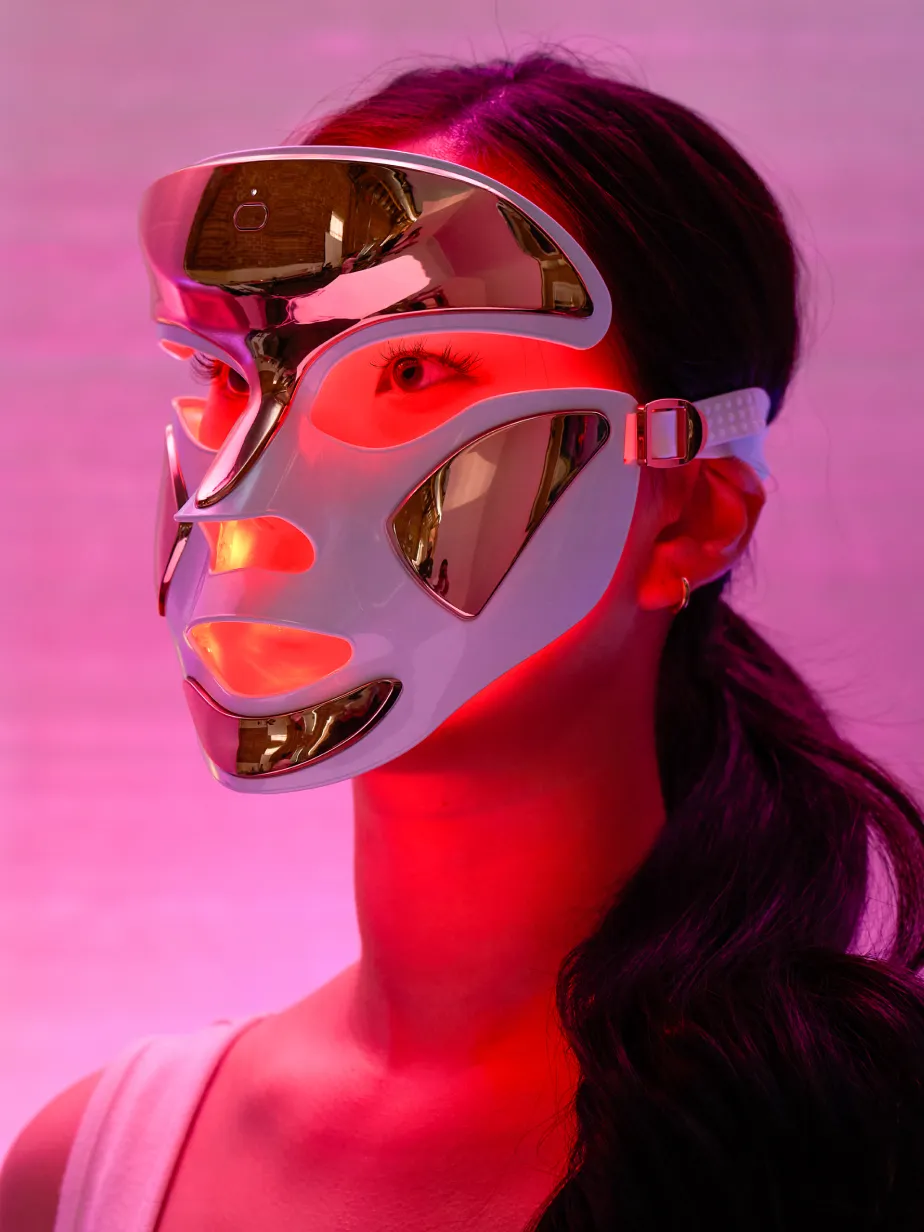
Dr Dennis Gross
SpectraLite FaceWare Pro
Why it's the acne pick: the only top-three LED mask with blue light at 415nm, the wavelength cited for Cutibacterium acnes activity. Daily three-minute red plus one-minute blue protocol. Dermatologist-developed authority.
Read the full review →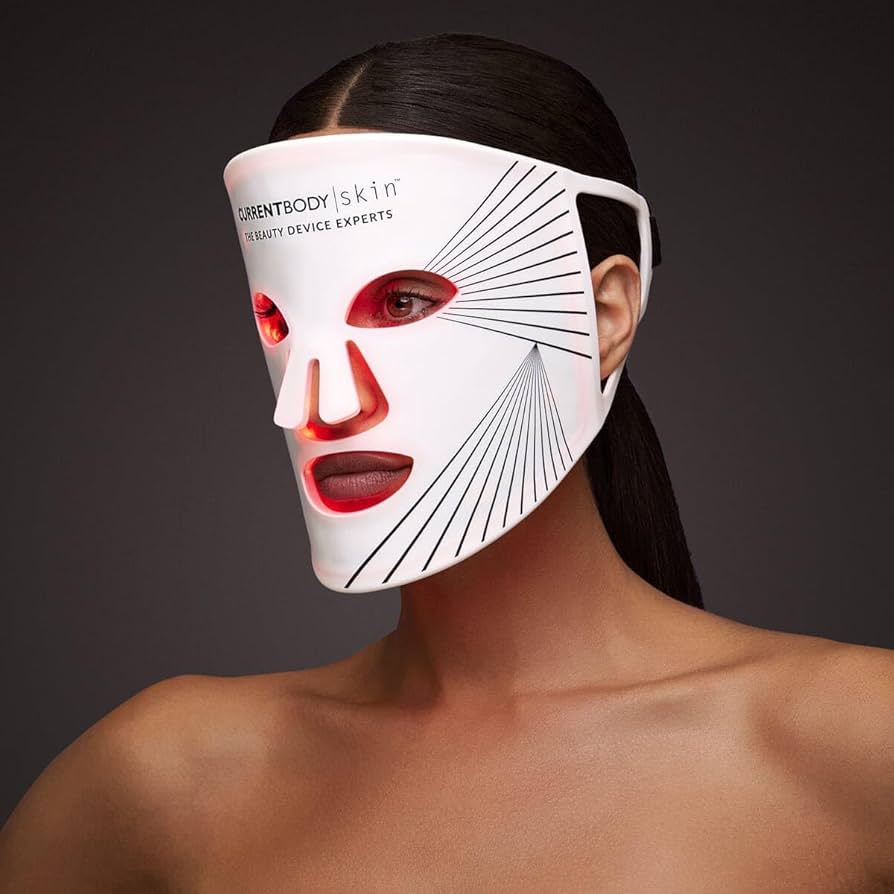
CurrentBody
Skin LED Mask Series 2
Why it's on the list: 236 LEDs of red 633nm + NIR 830nm covers the inflammatory-redness axis of acne and post-inflammatory pigmentation. Flexible silicone fits across longer jaws, the area Dr Dennis Gross's rigid frame leaves uncovered.
Read the full review →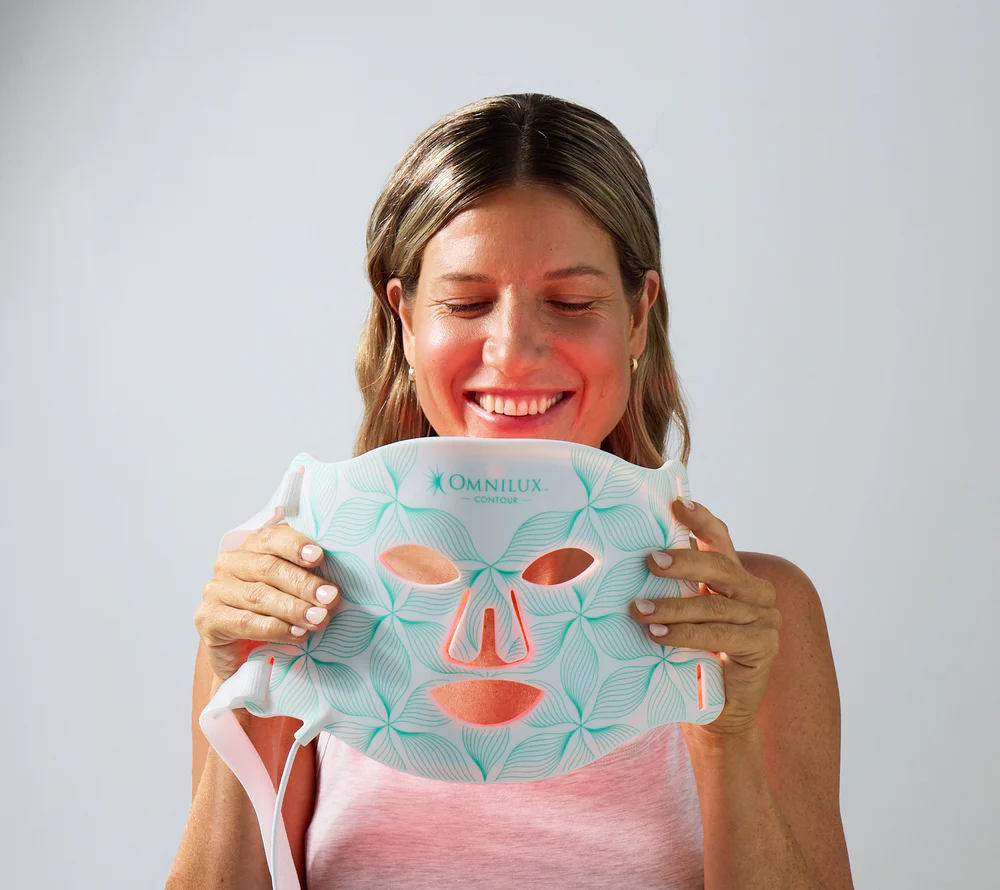
Omnilux
Contour Face
Why it's on the list: the deepest publicly cited clinical evidence body in the LED-mask category, with the same red 633nm + NIR 830nm protocol as CurrentBody. The pick when the clinical authority matters more than the blue spec.
Read the full review →How LED light fits acne.
The published photobiomodulation literature points to two distinct mechanisms inside the LED wavelengths used in TGA-listed at-home masks. Blue light at approximately 415nm is the wavelength studied for Cutibacterium acnes activity, the bacterium associated with inflammatory acne. The mechanism cited in the literature: blue light is absorbed by endogenous porphyrins in C. acnes, generating reactive oxygen species that disrupt the bacterial population. Improvements in inflammatory and non-inflammatory lesion counts have been reported in published trials at 8-12 weeks of consistent use.
Red light at 633nm is the wavelength studied for the inflammatory and tissue-response axis, not directly antibacterial, but associated in the literature with reduced inflammatory mediators and improved post-inflammatory tone. Near-infrared at 830nm reaches deeper into the dermal layer where post-inflammatory pigmentation activity sits, per the broader photobiomodulation field summarised by Hamblin (AIMS Biophysics, 2017).
Dr Dennis Gross SpectraLite ships both blue 415nm and red 633nm in a single device. Omnilux Contour Face and CurrentBody Series 2 ship red 633nm and NIR 830nm but no blue spec. The acne reader who wants both the antibacterial blue and the deeper NIR will need to choose, the rare two-device routine pairs SpectraLite for daily blue with Omnilux for three-times-a-week NIR. GLOW does not recommend stacking devices without practitioner sign-off.
Acne is medical. LED masks are positioned by their manufacturers as adjuncts to a routine, not as a replacement for prescription dermatological treatment. Readers on isotretinoin or other photosensitising oral medications should consult their AHPRA-registered dermatologist before adding any LED device. GLOW does not provide medical advice.
Acne LED masks, answered.
Does blue LED light help acne?
Blue light at approximately 415nm is the wavelength cited in the literature for C. acnes activity. The mechanism: blue light absorbed by endogenous porphyrins in the bacterium generates reactive oxygen species. Trials report improvements in inflammatory and non-inflammatory lesion counts at 8-12 weeks.
Should I stop my acne medication to use an LED mask?
No. LED masks are adjuncts, not replacements. If you are on isotretinoin or any photosensitising oral medication, consult your AHPRA-registered dermatologist before using any LED device. GLOW does not provide medical advice.
Can LED masks make acne worse?
LED light at the wavelengths used in TGA-listed masks does not cause acne in the published literature. Transient redness or warmth during sessions is normal. Persistent worsening should be reviewed by an AHPRA-registered practitioner.
Will an LED mask help post-acne scarring?
Atrophic and ice-pick scarring is structural and not within the scope of at-home LED. Post-inflammatory pigmentation (PIH) and post-inflammatory erythema (PIE) may respond to red and NIR wavelengths over 8-12 weeks per the photobiomodulation literature. Atrophic scarring is a dermatologist or clinic-led treatment.
How long until acne improves with an LED mask?
Manufacturer-published trial data on Dr Dennis Gross SpectraLite reports first visible improvement in inflammatory acne at 4-6 weeks with the deeper response at 8-12 weeks. Individual response varies; results are not guaranteed.
Editorial + medical disclosure. GLOW has no current commercial relationship with Dr Dennis Gross, CurrentBody or Omnilux at the time of publishing. Retailer links are affiliate, routed through our /out/ wrapper. LED face masks are Class IIa medical devices listed with the Therapeutic Goods Administration (TGA). GLOW does not provide medical advice. Acne is a medical condition; consult an AHPRA-registered practitioner for diagnosis and treatment. Full disclosures at /disclosures/.