Skip to content
Independent · Editor-tested · No paid placementsAboutGLOW StandardSubscribe
GLOW

GLOW List · Devices

The LED masks we actually wear.

Most at-home LED is theatre. Four units cleared the panel: clinical wavelengths, a face that fits, and a daily ritual the editors didn’t abandon by week three.

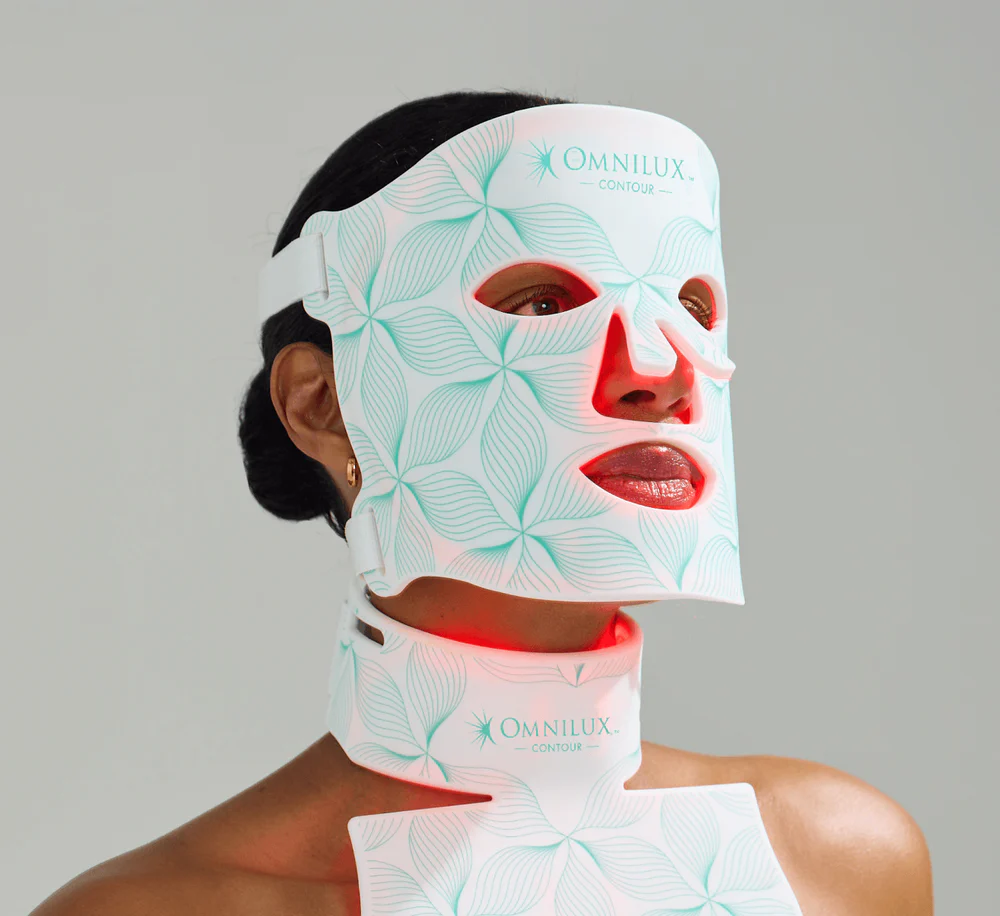
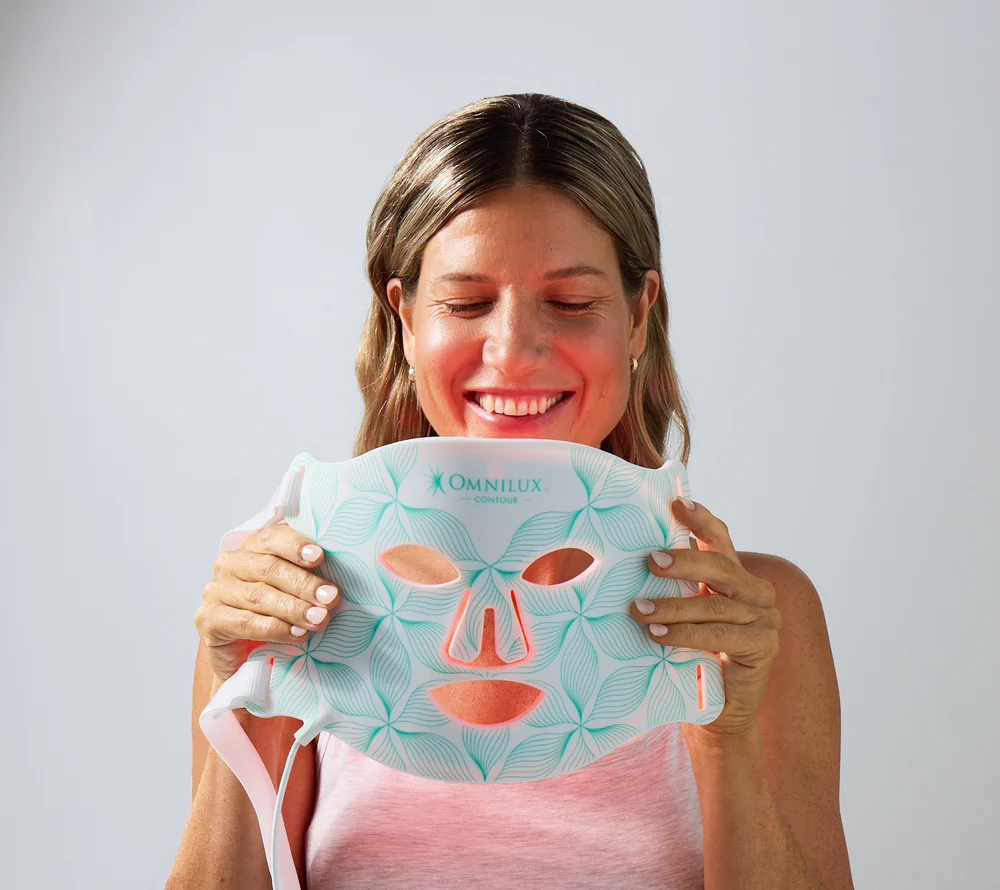
Model wearing the Omnilux Contour Face flexible-silicone LED mask
01
Omnilux Contour Face

Best overall

Omnilux Contour Face

FDA-cleared red + near-infrared in flexible silicone, the dermatologist default.

9.4/ 10
02
Dr Dennis Gross DRx SpectraLite FaceWare Pro

Best for breakouts

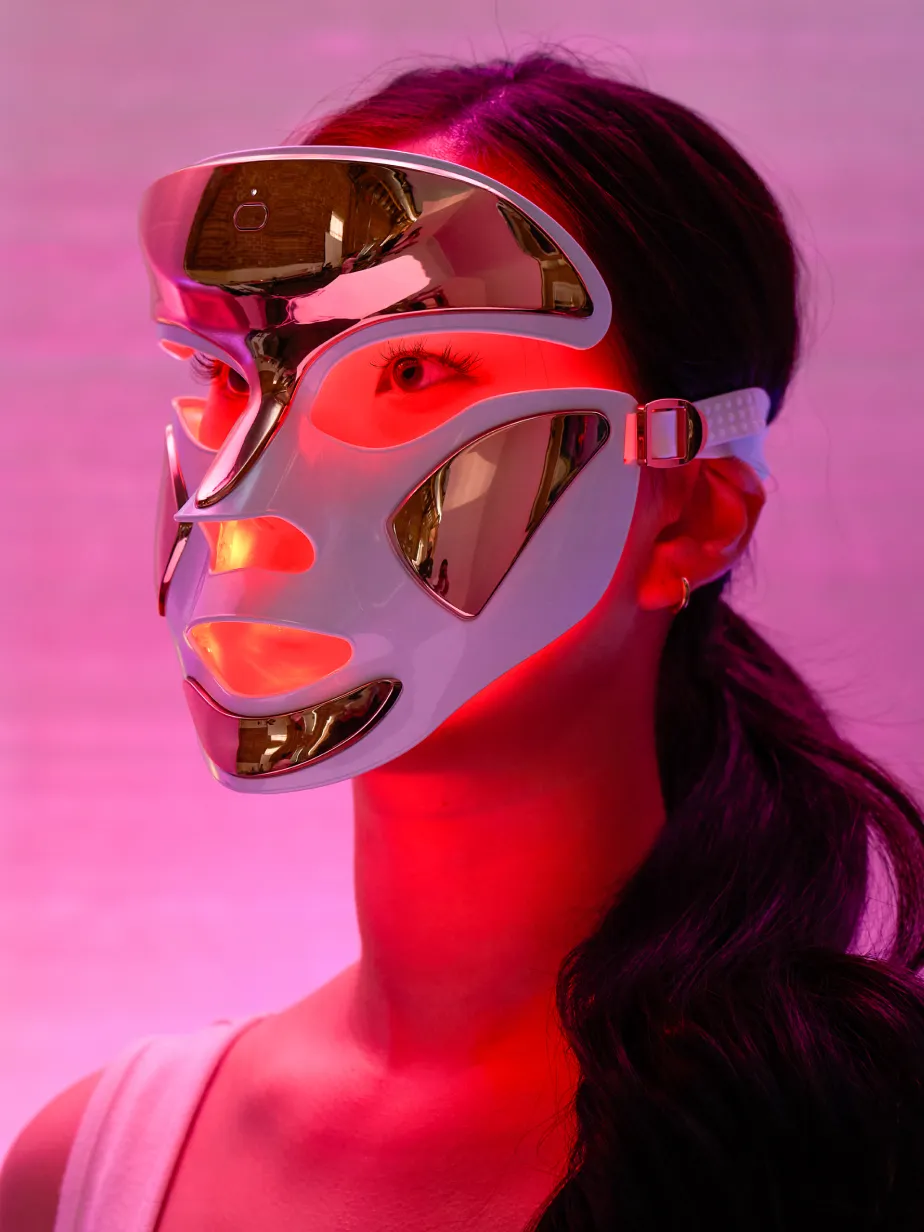
Dr Dennis Gross SpectraLite FaceWare Pro

Adds blue 415nm for congestion; rigid shell, three-minute session.

9.1/ 10
03
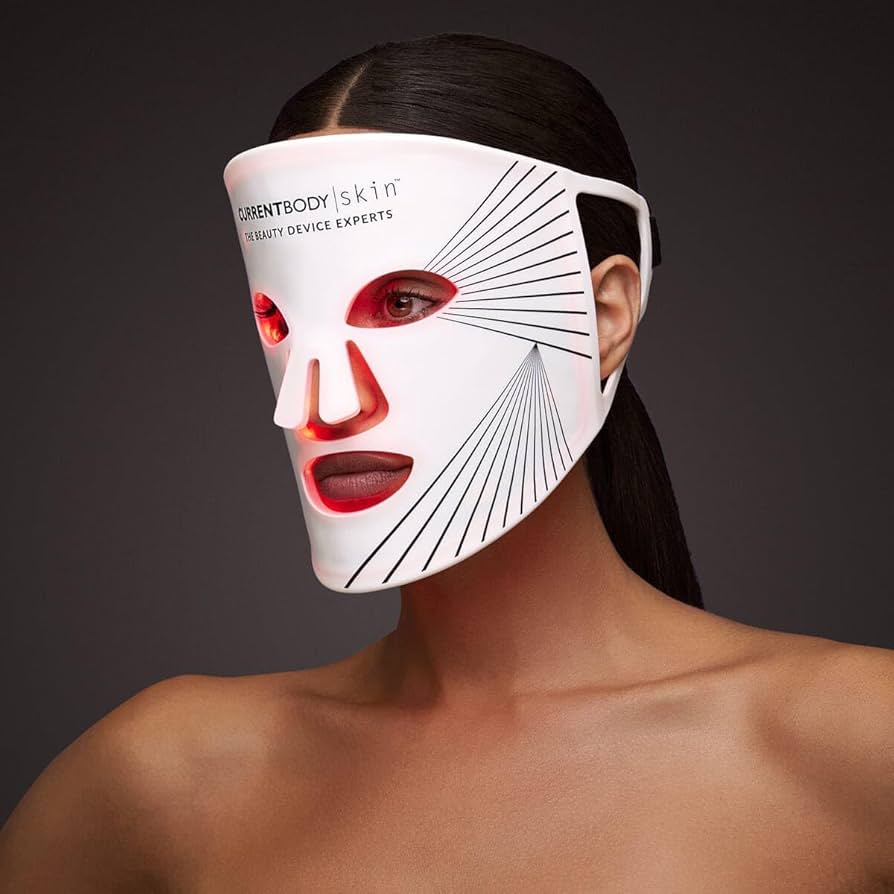
CurrentBody Skin LED Mask Series 2

Best for comfort

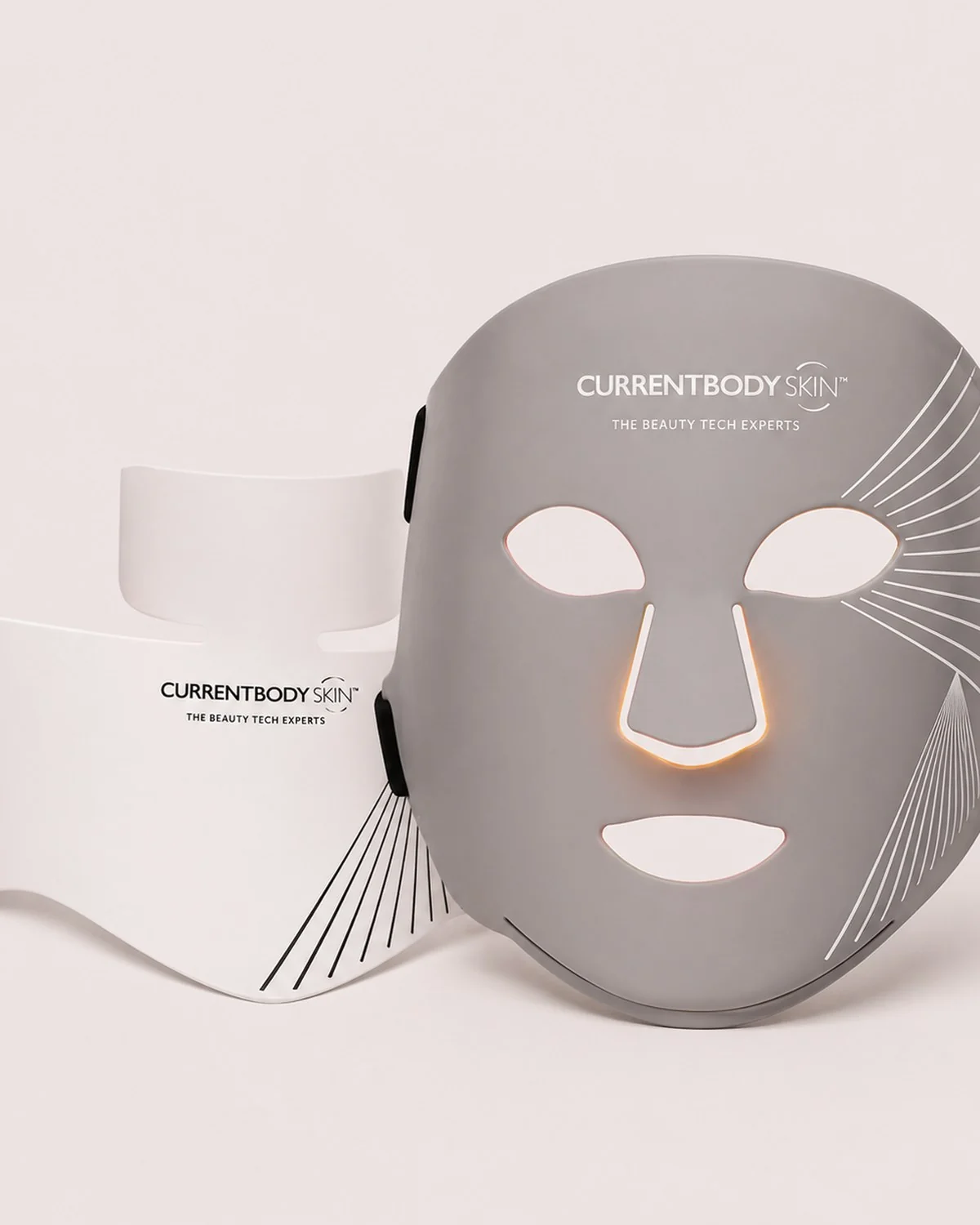
CurrentBody Skin LED Mask Series 2

236 LEDs and three wavelengths in a strap that doesn’t bite the nose.

8.8/ 10

The verdict Winner: Omnilux Contour Face · Glow 9.4/10 · Read the brand profile →

The verdict

If you only buy one.

Buy the Omnilux Contour Face at AU$595. It scored 9.4 on GLOW Standard and remains the only flexible silicone unit with the clinical paper trail Australian dermatologists actually quote in consult, red 633nm plus near-infrared 830nm, ten minutes, every day. If you sit closer to the breakout end of the spectrum and want blue 415nm in the mix, the Dr Dennis Gross SpectraLite is the rigid-shell answer at #2. Either one is a long-game keep, provided you actually wear it.

Best overall

Omnilux Contour Face · AU$595

Flexible silicone, clinical red + near-infrared, the dermatologist default. GLOW 9.4.

Best for breakouts

Dr Dennis Gross SpectraLite · AU$830

Adds blue 415nm for congestion, three-minute session, rigid shell. GLOW 9.1.

Best for comfort

CurrentBody Skin Series 2 · AU$595

236 LEDs in a strap that doesn't bite the nose, the easiest to wear nightly. GLOW 8.8.

Best for lift + LED

NuFace Trinity+ with LED · AU$725

Microcurrent body with a clip-on LED head for targeted firming, not a full mask. GLOW 8.5.

Average GLOW Score across 4 LED masks tested: 8.95 / 10

At a glance

Compare the four masks.

Ranked by GLOW Score. Swipe sideways on mobile to see every column. Prices are the AU RRP at the retailer we link.

Rank Product Best for Price Key reason Where to buy
01 Omnilux Contour FaceFlexible silicone · GLOW 9.4 Anti-ageing, tone, firmness AU$595 Clinical red 633nm + near-infrared 830nm, the dermatologist default Omnilux AU
02 Dr Dennis Gross SpectraLite FaceWare ProRigid shell · GLOW 9.1 Breakout + congestion AU$830 Adds blue 415nm, three-minute session, move around while it runs MECCA
03 CurrentBody Skin LED Mask Series 2Flexible silicone · GLOW 8.8 Comfort, nightly use AU$595 236 LEDs, three wavelengths, a strap that doesn't bite the nose CurrentBody AU
04 NuFace Trinity+ with Wrinkle Reducer LEDHandheld + LED head · GLOW 8.5 Targeted lift + LED AU$725 Microcurrent firming with a clip-on red + amber LED attachment Adore Beauty

Prices checked at publication and move with retailer promotions.

The ranking

Four masks worth the wattage.

Most LED on the market is under-powered, badly fitted, or a torch dressed up as a treatment. These four cleared the panel on irradiance, fit and the boring metric that decides everything: did the editor still wear it at week six. Order is intentional.

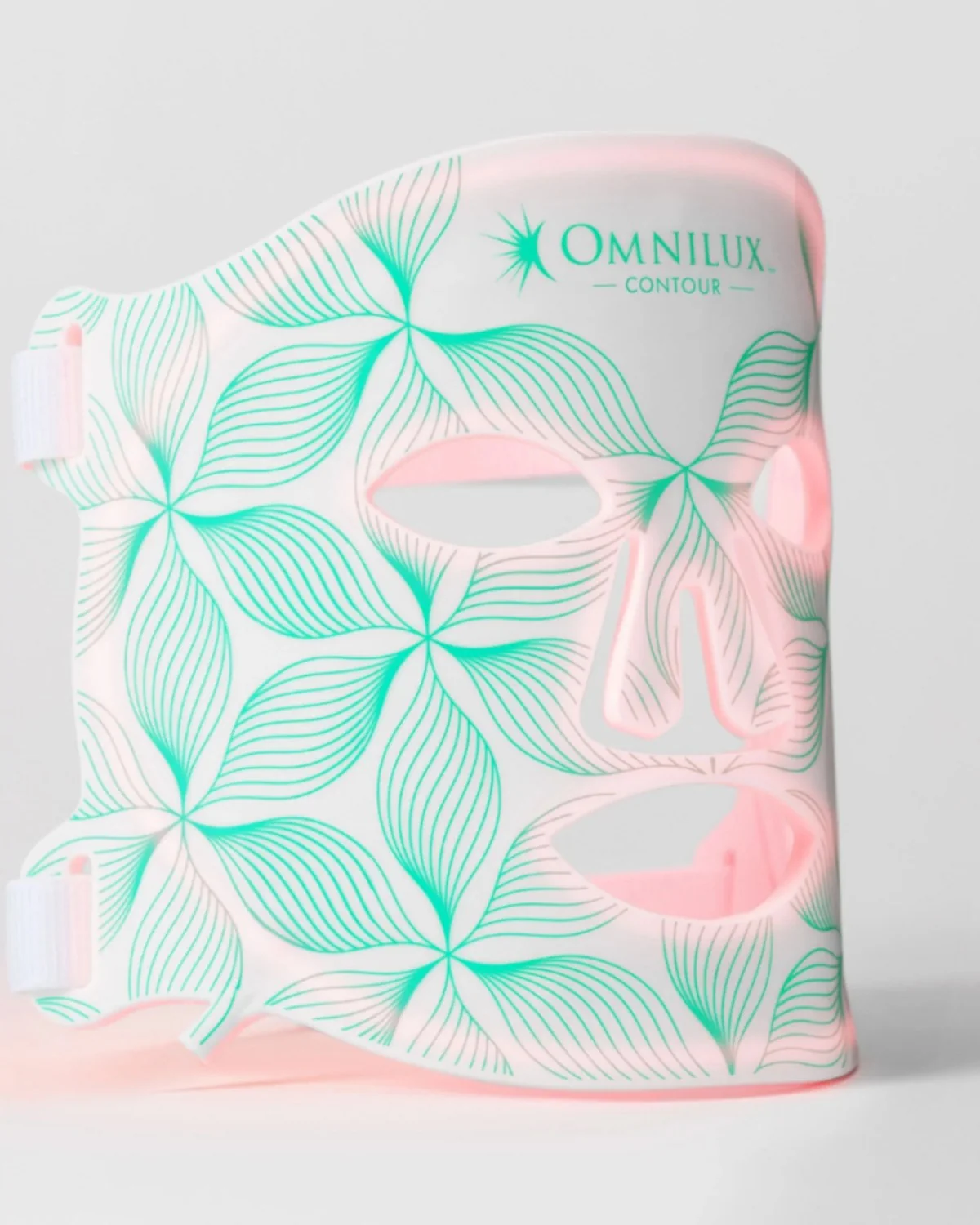
Omnilux Contour Face flexible silicone LED mask

Omnilux

Contour Face

The flexible-silicone unit Australian dermatologists actually keep on the recommend list. Red 633nm and near-infrared 830nm, no blue gimmick, ten-minute session, FDA-cleared. Skin reads firmer and better-toned at week six rather than week one, the right answer for LED, even if it isn’t the marketed one.

For

  • Flexible silicone moulds flush to the whole face
  • Clinical wavelengths with published data behind them
  • Short ten-minute daily session, easy to sustain

Against

  • No blue light, so not built for active breakouts
  • Premium price, and you still have to wear it daily

Who it suits: anyone whose main brief is firmness, tone and fine lines who will commit to a nightly ten-minute habit.Who should skip it: if your priority is congestion and active acne, the blue-light Dr Dennis Gross is the better tool.

GLOW Score 9.4AU$595 · flexible siliconeAnti-ageing · tone · firmness

Buy at Omnilux Australia
Dr Dennis Gross SpectraLite FaceWare Pro rigid LED mask

Dr Dennis Gross

DRx SpectraLite FaceWare Pro

The rigid-shell mask MECCA carries and dermatologists default to when breakouts are part of the picture. Adds blue 415nm to the red and near-infrared, runs a three-minute session, and lets you move around the kitchen while it works. The trade is fit, a hard shell never sits as flush as silicone, but the dual-concern brief is the strongest at this price.

For

  • Red, near-infrared and blue 415nm in one mask
  • Quick three-minute session, hands-free
  • Strong choice when breakouts and ageing overlap

Against

  • Rigid shell never sits as flush as silicone
  • The most expensive mask in the ranking
  • Combined blue+red may not suit photosensitive skin

Who it suits: skin dealing with both congestion and early ageing that wants one device for both.Who should skip it: photosensitive or reactive skin, and anyone who wants the closest possible face contact, choose a flexible silicone mask instead.

GLOW Score 9.1AU$830 · rigid shellAnti-ageing · congestion · breakout

Buy at MECCA
CurrentBody Skin LED Mask Series 2 flexible silicone unit

CurrentBody

Skin LED Mask Series 2

The high-LED-count flexible mask that won the sit-test, 236 lights, three wavelengths, a strap system that doesn’t bite the bridge of the nose. The ecosystem is the bonus: eye perfector and neck unit pair off the same charger. Slightly less clinical heritage than Omnilux, slightly more comfortable to wear nightly. Most editors who tried it stayed with it.

For

  • The most comfortable mask to wear over time
  • High LED count and three wavelengths
  • Matching eye and neck units share a charger

Against

  • Less clinical heritage than Omnilux
  • Ten-minute session is longer than the rigid masks
  • No blue light for breakouts

Who it suits: nightly users who value comfort and want a system they can expand to eyes and neck.Who should skip it: anyone who wants the deepest clinical evidence trail or the fastest possible session.

GLOW Score 8.8AU$595 · flexible siliconeAnti-ageing · tone · nightly use

Buy at CurrentBody AU
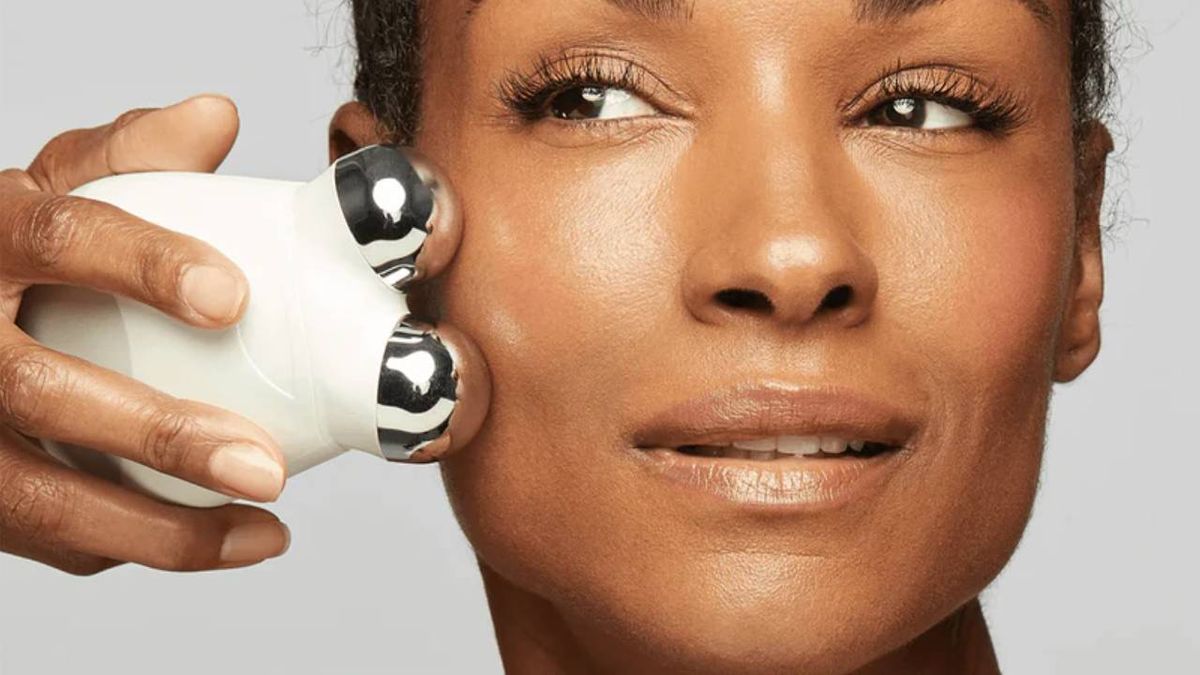
NuFace Trinity+ device with Wrinkle Reducer LED attachment

NuFace

Trinity+ with Wrinkle Reducer LED

An outlier in the lineup, the body is microcurrent, the LED is a clip-on Wrinkle Reducer head delivering red 630nm and amber 590nm in targeted pulses. Best for the panellist who wants a contoured lift first and the LED gains second. Slower to use across the full face and more expensive once you bundle the heads, but the combined modality answers a different brief and answers it well.

For

  • Microcurrent lift plus targeted LED in one tool
  • Good for nasolabial folds and lower-face firming
  • Works on specific zones rather than the whole face

Against

  • Not a full-face LED mask, you trace it by hand
  • Slower to cover the whole face each session
  • Costs more once you add the LED head

Who it suits: anyone who wants a contoured lift first and LED gains second, and is happy to spend a few minutes tracing zones.Who should skip it: if you want hands-free, whole-face LED in ten minutes, buy one of the masks above instead.

GLOW Score 8.5AU$725 · handheld + LED headMicrocurrent · targeted LED · lift

Buy at Adore Beauty

Buying guide

What to look for, and what to avoid.

An LED mask only earns its price if the wavelengths, the dose and the daily habit all hold. Here is what actually separates a treatment from a torch.

Wavelengths that are named

Look for clinically studied figures, around 633nm red and 830nm near-infrared, sometimes blue 415nm for breakouts. If a listing only says "red light" with no nanometre figure, treat that as a warning sign.

Fit against your face

Light has to reach skin to do anything. Flexible silicone moulds to cheeks and the jaw; a rigid shell sits flatter and leaves gaps. Either can work, but fit decides how much of the face actually gets dosed.

A session you will repeat

LED is a habit, not a one-off. A three-to-ten-minute session you can do nightly beats a long ritual you abandon. The best mask is the one still on your face at week six, not the one with the biggest spec sheet.

Eye protection and comfort

A good mask has a considered eye cut-out or supplied goggles and a strap that does not press on the bridge of the nose. Comfort is not a luxury here, it is what keeps you using it.

What to avoid

Skip sub-AU$200 offshore masks with no named wavelengths, no irradiance figure and no clinical testing. They are sold on photos of glowing faces and treat like a torch held to the cheek. Cheap rarely means good value in this category.

Honest expectations

Even the best at-home LED works slowly, tone and firmness read better at week six, not week one, and results vary between people. If a claim sounds like an overnight transformation, be sceptical.

How we tested

Six weeks. Six panellists. One rule.

The rule: a mask earns its spot here only if all six panellists were still using it past week three. We trial-stocked a longlist of eleven LED units between AU$180 and AU$1,200, the supermarket-tier offshore plastics, the MECCA-shelf prestige, and the dermatologist-quoted clinical units. Each panellist used their assigned mask once daily on clean dry skin, before any actives or SPF went on, for the full six weeks.

The panel spans Fitzpatrick II through V and a 28-to-54 age range, with one member managing active breakouts and one with rosacea-prone skin. We scored on irradiance and wavelength credibility, fit and weight on the face, strap comfort over time, and what the skin actually looked like at week six against a controlled baseline shot taken in the same light. Adherence was scored separately, because a mask in a drawer doesn’t work.

Hannah Brooks, our Senior Devices Editor, led the read-out and sat in on every check-in. Four masks cleared the bar. Seven didn’t. We’d rather publish a short list that’s honest than a long one padded with retail units we wouldn’t recommend to a friend.

Frequently asked

LED face masks, answered.

What is the best LED face mask in Australia?

Omnilux Contour Face at AU$595. It scored 9.4 on GLOW Standard in 2026, the highest-scoring product in GLOW's entire database. It uses clinical 633nm red and 830nm near-infrared LEDs in a flexible silicone mask and is backed by independent clinical data.

Who tested these LED masks?

Senior Devices Editor Hannah Brooks led the panel, with three additional Glow editors using each unit at the manufacturer's recommended cadence for six weeks. Test ran April–May 2026.

How are LED masks scored?

Each device is scored under GLOW Standard with extra weight on wavelength accuracy, fit, treatment adherence and published clinical evidence. Efficacy 30%, formulation 25%, tolerability 20%, value 15%, distinction 10%.

Where can I buy Omnilux Contour Face?

Direct from omniluxled.com.au at AU$595. Also stocked at MECCA and Adore Beauty. Omnilux frequently runs trade-up programs for older Omnilux owners.

Are LED masks safe for sensitive skin?

Yes, red and near-infrared LED is non-thermal and non-UV, and is well tolerated by sensitive and rosacea-prone skin. Avoid combined blue+red panels (Dr Dennis Gross) if you have photosensitive skin. Do not use any LED if pregnant without specialist clearance.

How often is this ranking updated?

GLOW's LED mask ranking is re-tested annually and refreshed any time a hardware revision ships. This edition was last updated 2 June 2026.

Are LED face masks worth the money?

Only if the device runs clinical wavelengths (around 633nm red, 830nm near-infrared) at sufficient irradiance and you actually wear it three to five times a week for at least eight weeks. Cheap masks under AU$200 frequently fail on both. Omnilux is the at-home benchmark.

A note on safety and claims

At-home LED masks are cosmetic skincare devices, not a substitute for medical treatment. They are not a treatment for skin cancer, severe acne, or any diagnosed skin condition. If you are managing a medical concern, see a doctor or dermatologist before relying on a device.

Always follow the manufacturer's instructions on session length and frequency, and use the supplied eye protection or keep your eyes closed, near-infrared light is invisible but still reaches the eye. Results vary between individuals and build slowly over weeks. We describe device benefits cautiously and do not claim any therapeutic or TGA-approved outcome unless the manufacturer holds that approval. If you are pregnant, photosensitive, taking photosensitising medication, or prone to reactions, check with a healthcare professional first.

The final verdict

Which LED mask should you buy?

For most people, buy the Omnilux Contour Face (AU$595). It is the best all-rounder, clinical wavelengths, a flexible fit, a short daily session and the deepest evidence trail of anything we tested. If you only want one mask and your brief is firmness and tone, this is the one.

If breakouts are part of the picture, the Dr Dennis Gross SpectraLite (AU$830) is the better tool, because the added blue 415nm targets congestion the red-only masks cannot. It costs the most and the rigid shell fits less snugly, but it does two jobs at once.

If comfort decides whether you stick with it, the CurrentBody Skin Series 2 (AU$595) is the easiest to wear nightly and the cheapest entry into a system you can expand to eyes and neck. If you want a contoured lift first and LED second, the NuFace Trinity+ (AU$725) answers a different brief, microcurrent firming with a clip-on LED head, rather than hands-free full-face treatment. And if your budget is under AU$200, our honest verdict is to wait and save, rather than buy an unproven offshore mask.

Field note

The LED aisle, briefly.

The Australian LED market has split cleanly in two. At the top, four or five units back their wavelengths with FDA clearance, irradiance data published in a spec sheet you can actually read, and a relationship with the local dermatology community that predates the at-home boom. Omnilux was on Australian clinic walls for fifteen years before the consumer unit existed, the kind of provenance that matters when you’re betting six hundred dollars on a daily habit.

Underneath that, the shelf is full of mask-shaped LED, offshore plastic units at $180 with no irradiance figure, no clinical testing and a wavelength claim that can’t be verified. They’re sold on photographs of glowing red faces; they treat like a torch held to the cheek. We don’t recommend them. The honest read on LED is that it works when the dose, the wavelength and the daily adherence all hold, and that the four units on this page’s ranking are the ones where all three of those things hold for an Australian buyer in 2026.

More: Omnilux, profiled · the devices hub · GLOW 100, devices · GLOW 100 · every brand we trust · GLOW Standard.