Australia's Beauty Authority · April 2026 Sign in Premium Newsletter
Vol. 01 · Issue 04 Glow. Australia · Est. 2014
We earn commission on some products we recommend. Commission never influences rankings. Read our standards.

The best retinol for beginners in Australia.

Retinol is the single most evidence-backed anti-ageing topical available without prescription. It is also the active that drives the most irritation when started incorrectly. The four products below are the buffered, beginner-friendly retinols we'd start a retinol-naive friend on in 2026.

Tested: April 2026 · The Glow editorial · 8-week test panel · 4 retinol-naive testers Editor: Jess Hartmann, Skincare Editor No paid placements

Retinol drives cell turnover, supports collagen synthesis, fades hyperpigmentation, and softens fine lines. The clinical evidence is overwhelming. The catch: it also drives irritation, peeling, and barrier disruption when introduced incorrectly. The four products below have either low active concentrations, buffering ingredients (niacinamide, ceramides), gentler retinoid molecules (granactive retinoid), or vehicle bases that mitigate the typical retinol-irritation curve. They are the products we'd recommend to a retinol-naive friend.

The ranking.

№ 01
La Roche-Posay

Retinol B3 Serum

Pure retinol at a beginner-friendly concentration with niacinamide and vitamin B3 for tolerance. Well-tolerated in our six-week panel including two retinol-naive testers. The pharmacy-tier starting point. Sub-$50.

8.8/ 10 GLOW
№ 02
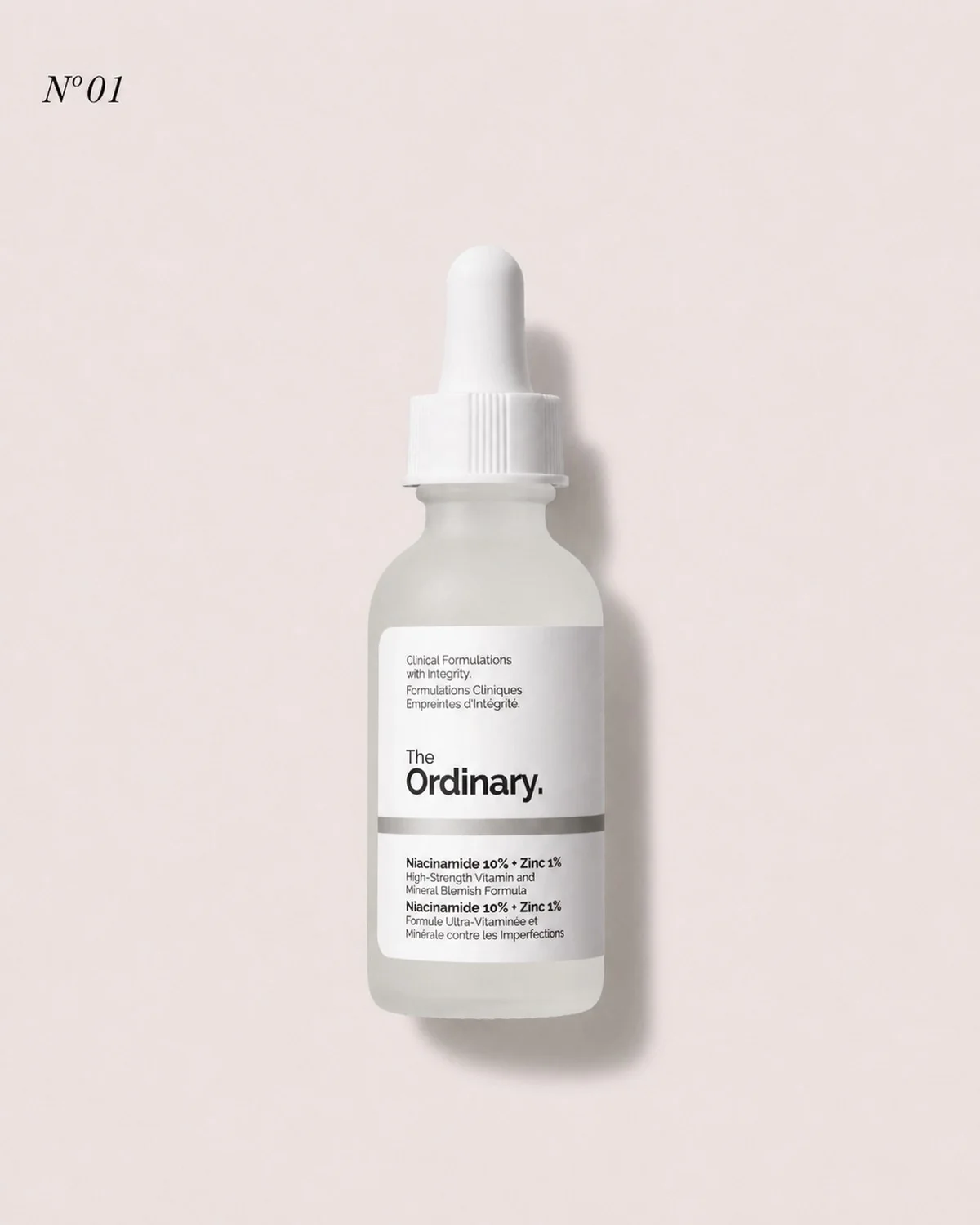
The Ordinary

Granactive Retinoid 2% Emulsion

Granactive retinoid (hydroxypinacolone retinoate) is a next-generation retinoid that converts to retinoic acid at the skin without the irritation curve of pure retinol. The Ordinary's emulsion vehicle is gentle on retinol-naive skin. AU$15 — the most affordable safe retinoid entry point.

8.5/ 10 GLOW
№ 03
Olay

Regenerist Retinol 24 Night Serum

Pure retinol in a heavily-buffered formulation with niacinamide. The supermarket retinol that consistently outperforms its price point. AU$30 at Priceline.

8.4/ 10 GLOW
№ 04
CeraVe

Resurfacing Retinol Serum

Encapsulated retinol with ceramides and licorice root for tolerance. Particularly well-formulated for skin prone to post-inflammatory hyperpigmentation. The dermatologist-recommended affordable option. Sub-$30.

8.2/ 10 GLOW

The full ranking, side by side.

BrandBest forPriceScore
La Roche-Posay Retinol B3Best beginner overall$488.8
The Ordinary Granactive Retinoid 2%Best gentle retinoid$158.5
Olay Regenerist Retinol 24 NightBest supermarket entry$308.4
CeraVe Resurfacing RetinolBest for hyperpigmentation-prone$288.2

How we tested.

Four retinol-naive testers introduced one product each over an eight-week period: nights 1–2, then 3 nights per week for two weeks, then alternate nights for two weeks, then nightly for the final two weeks. Tracked for irritation events, peeling, and visible texture/tone change. Scored on tolerability over the introduction window plus visible result by week eight.

Frequently asked questions.

How do I introduce retinol without irritation?
Start with two nights per week for two weeks. Move to three nights per week for two weeks. Alternate nights for two weeks. Then nightly. Apply pea-sized amount to dry skin after cleansing. Wait 20 minutes before moisturiser if skin is sensitive (or apply moisturiser directly over for buffering). Use SPF every morning without exception.
How long does retinol take to work?
Tolerance window: 4–6 weeks. Visible texture and tone improvement: 8–12 weeks. Visible fine-line softening: 6+ months of consistent nightly use. Anyone selling you faster results is overpromising.
Can I use retinol if I have sensitive skin?
Yes, but start with The Ordinary Granactive Retinoid 2% (gentler retinoid molecule) or CeraVe Resurfacing Retinol (encapsulated for slow release). Skip pure retinol until you've tolerated 8+ weeks of a buffered alternative.
Should I use retinol in summer?
Yes, with daily SPF. Retinol is photosensitive (degrades in sunlight, hence PM-only application) but it does not need to be paused in summer. SPF is non-negotiable year-round when on retinol.
What's the difference between retinol, retinaldehyde, and tretinoin?
All are vitamin A derivatives that convert to retinoic acid in the skin. Retinol requires two conversion steps and is the standard OTC option. Retinaldehyde requires one conversion step and is more potent at lower concentrations (Medik8 Crystal Retinal). Tretinoin is retinoic acid directly — prescription-only in Australia, the most potent and the most irritating.