
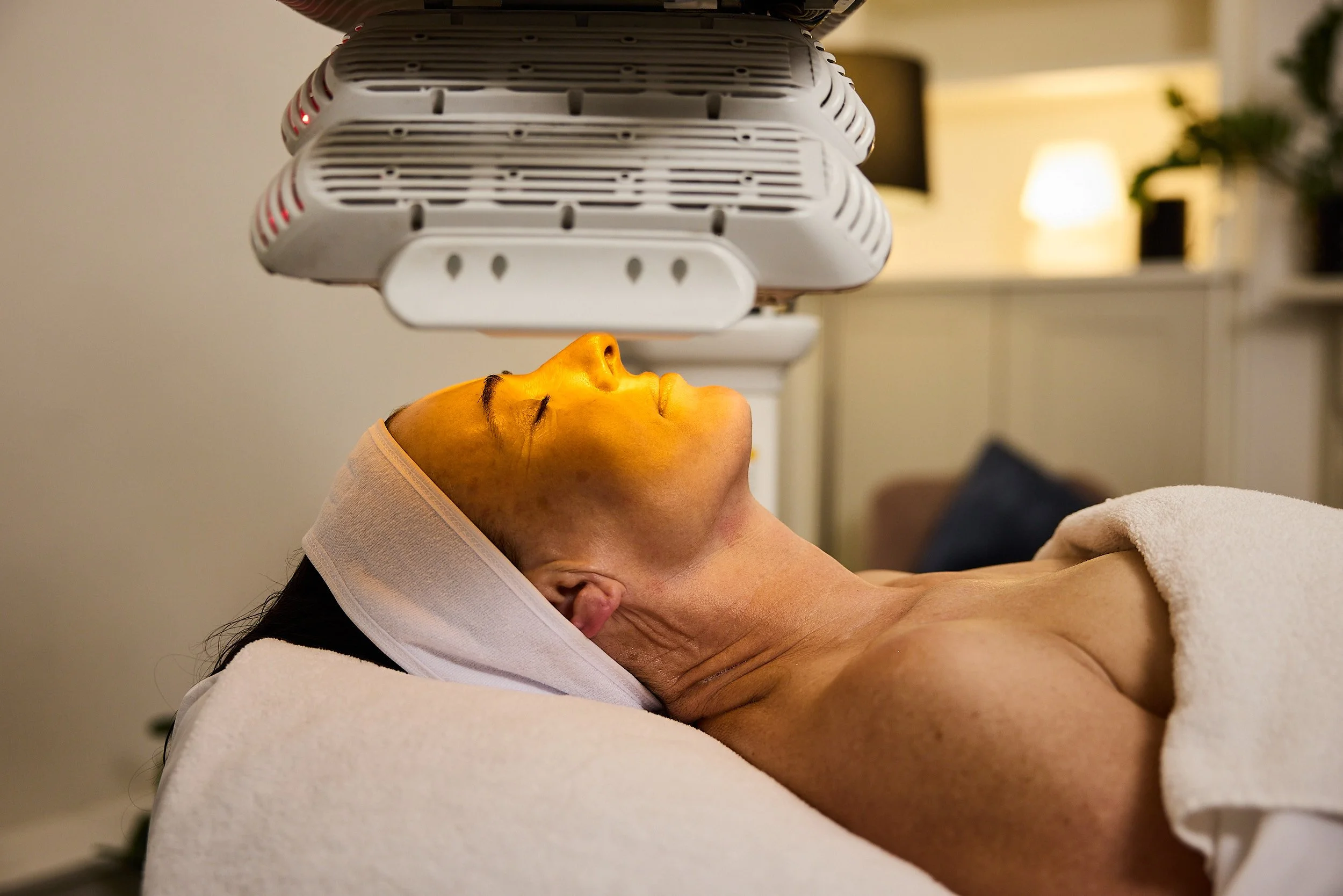
Healite II LED
Light Emitting Diode (LED) was originally developed by NASA for plant growth and healing experiments in space and has been used safely in aesthetics for over 15 years.
With LED therapy, light is absorbed through the layers of skin and into the skin cells. This light is then converted into energy, which stimulates the cell to replicate healthy skin cells.
LED treatments not only have immediate results but, more importantly, improve the condition and appearance of your skin long term. Light therapy oxygenates the skin cells, it also increases blood flow and circulation, reducing inflammation and the appearance of pores, lines and wrinkles.
Following a course of LED treatments, clinical changes include the improvement in collagen, elastin and cellular function – all of which are great for treating conditions such as acne, dermatitis, eczema and rosacea.
Complimentary LED when added to any treatment during your birthday month • BOOK NOW •
Complimentary LED when added to any treatment during your birthday month • BOOK NOW •
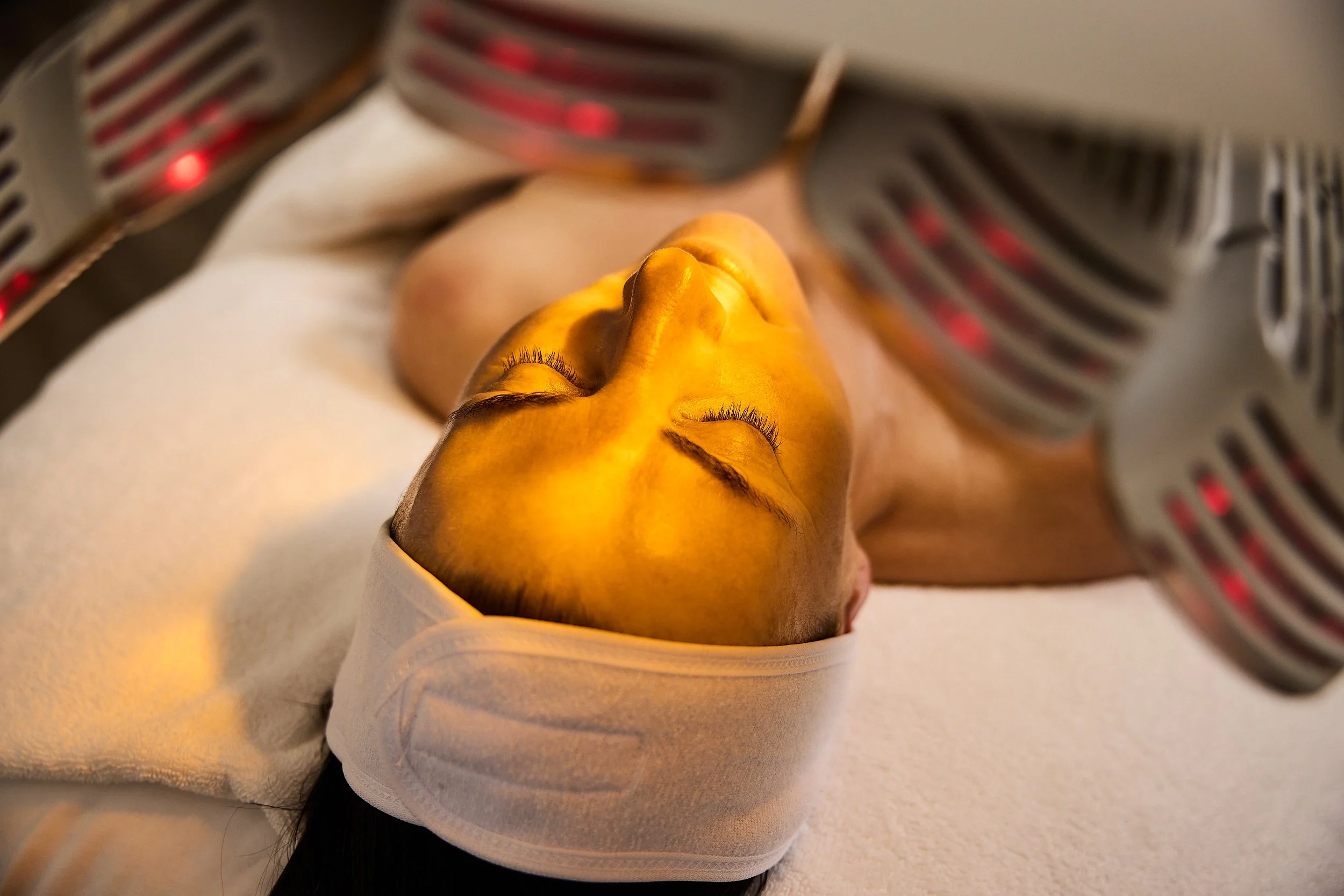
Healite II LED
30 mins • $90
Increasing blood flow
Promoting skin healing
Increasing collagen and elastin production
Targeting acne-causing bacteria
Reducing inflammation
Suitable For:
LED Types:
Blue: The acne-fighting light. This treatment creates an inhospitable environment for blemishes. Acne is no longer welcome here.
Red: The rejuvenating light. A treatment that promotes the production of collagen, leading to more youthful-looking skin.
Infrared: The healing light. The all-rounder for every face. This treatment regenerates tissue and is particularly soothing for injuries, eczema, dermatitis and psoriasis.
FAQs
-
Just like plants, our skin and other body tissues have the ability to absorb light and convert it into energy. LED light therapy delivers light energy in a similar way that plants absorb light energy from the sun. LED emits UV-free, beneficial light rays that energise cells and stimulate the body's natural process to build new proteins and regenerate.
-
The LED device will be placed over the area being treated. The sensation is similar to lying in the sun without the damaging effects during which a warm, pleasant feeling can be felt over the entire face. While you're there you can mediate, unwind even take a power nap - the whole process is very relaxing. You will walk out feeling warm, fresh and rejuvenated. LED is also proven to stimulate serotonin levels.
LED can be performed as a stand-alone treatment or is commonly combined with any of our other skin treatments to maximise results.
-
LED can assist with concerns such as:
• Acne
• Inflammation
• Loss of elasticity and ageing
• Hair loss
• Post-treatment/surgery for healing
• General skin rejuvenation
LED is safe for all skin types. -
All parts of the body are suitable for LED.
Popular areas are the face, neck, décolletage, hands, shoulders and back.
-
LED sessions are recommended two to three times a week for a course of four to six weeks. Ideal for pre-wedding prep or before a big event. A session can take anywhere between 9 - 20 minutes.
-
This is a very safe form of treatment and no downtime is needed. You can immediately return to your daily activities.
The technology is a very gentle and relaxing. Some clients fall can drift off to sleep whilst it is performed.